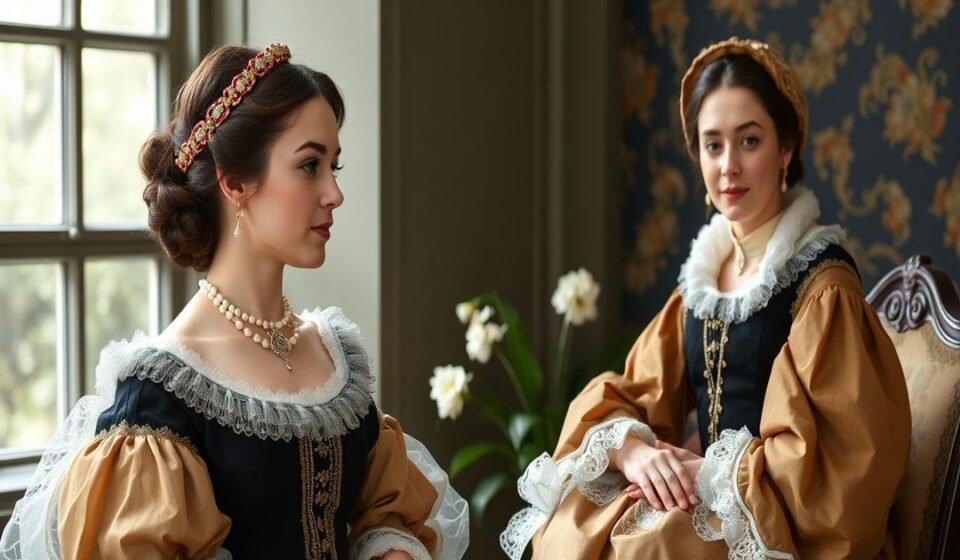

Elizabeth Mary Wilhelmina Bentinck remains one of British history’s most understated yet influential royal figures. As the wife of King William IV, she navigated the complexities of 19th-century monarchy with grace and quiet determination. Born into the Dutch House of Orange-Nassau, Elizabeth Mary Wilhelmina Bentinck brought a unique perspective to the British court, balancing diplomatic finesse with genuine compassion. Her tenure as Queen Consort (1830–1837) coincided with pivotal reforms, including the Great Reform Act of 1832, where her subtle advocacy for social progress left an indelible mark. Despite limited historical documentation, her legacy endures through charitable foundations and her role in modernizing royal traditions. Understanding Elizabeth Mary Wilhelmina Bentinck offers a window into how royal consorts shaped Britain’s transition from aristocratic rule to a more inclusive society.
Early Life and Background
Born on 22 May 1789 in The Hague, Elizabeth Mary Wilhelmina Bentinck was the daughter of Prince William V, Prince of Orange, and Princess Wilhelmina of Prussia. Her upbringing blended Dutch and German aristocratic traditions, fostering fluency in multiple languages and a deep appreciation for arts and education. The Napoleonic Wars disrupted her childhood, forcing her family into exile in England in 1795. This experience instilled resilience and adaptability, traits that later defined her royal role. According to Wikipedia, her early exposure to political upheaval shaped her pragmatic approach to diplomacy. By her late teens, she was already a sought-after match among European royalty, though her path to the British throne remained uncertain until fate intervened.
Marriage to William IV
In 1818, Elizabeth Mary Wilhelmina Bentinck married Prince William, Duke of Clarence (later William IV), a union orchestrated to stabilize Anglo-Dutch relations. The marriage surprised many, as William was 25 years her senior and known for his unconventional lifestyle. Yet, the couple developed a profound partnership built on mutual respect. When William ascended the throne in 1830, Elizabeth became Queen Consort, embracing her role with quiet dignity. She modernized court etiquette, replacing rigid Hanoverian customs with more approachable traditions. Her influence extended to William’s political decisions, particularly his support for abolishing slavery in the British Empire. This period marked the zenith of her public life, as she balanced ceremonial duties with behind-the-scenes advocacy.
Role as Queen Consort
As Queen Consort, Elizabeth Mary Wilhelmina Bentinck redefined the position’s societal impact. She prioritized charitable work, establishing hospitals and schools for London’s impoverished communities. Her initiatives included:
- Founding the Queen’s Nursing Institute to train healthcare workers
- Advocating for women’s access to education through scholarships
- Supporting orphanages and mental health facilities
Her approach emphasized practical aid over symbolic gestures, earning public admiration. For deeper insights into her contributions, explore our resources. She also mediated tensions between William and reformist politicians, leveraging her diplomatic background to foster compromise during the turbulent Reform Bill debates. This blend of compassion and strategy cemented her reputation as a unifying force.
Legacy and Historical Significance
Though her reign was brief, Elizabeth Mary Wilhelmina Bentinck’s legacy resonates in modern British institutions. She championed healthcare accessibility, influencing the eventual creation of the National Health Service. Her emphasis on education laid groundwork for later reforms, while her diplomatic acumen helped preserve the monarchy’s relevance amid democratic shifts. Key milestones include:
- Spearheading the Royal Commission on Child Labor (1833)
- Establishing the first public libraries in industrial cities
- Paving the way for Queen Victoria’s more visible consort role
Historians now recognize her as a catalyst for the monarchy’s evolution into a socially engaged institution. For authoritative context, consult Britannica.
Personal Life and Interests
Beyond court duties, Elizabeth Mary Wilhelmina Bentinck cultivated a rich private life. She was an accomplished pianist and painter, often hosting salons for artists and intellectuals. Her love for gardening led to the redesign of Buckingham Palace’s east terrace, blending English and Dutch horticultural styles. Despite childlessness, she formed close bonds with her nieces and supported young women through mentorship programs. Her later years were spent at Claremont Park, where she wrote extensively on European politics—a testament to her enduring intellectual curiosity. This multifaceted persona challenges stereotypes of passive royal consorts.
Elizabeth Mary Wilhelmina Bentinck’s story transcends mere historical footnote; she exemplified how quiet influence can drive societal change. Her blend of empathy, diplomacy, and vision reshaped the monarchy’s relationship with the public. As we reflect on her contributions, her legacy reminds us that leadership often thrives in subtlety. To uncover more about transformative historical figures, visit here. In an era of rapid transformation, Elizabeth Mary Wilhelmina Bentinck’s principles remain strikingly relevant—proving that true impact requires neither fanfare nor force.