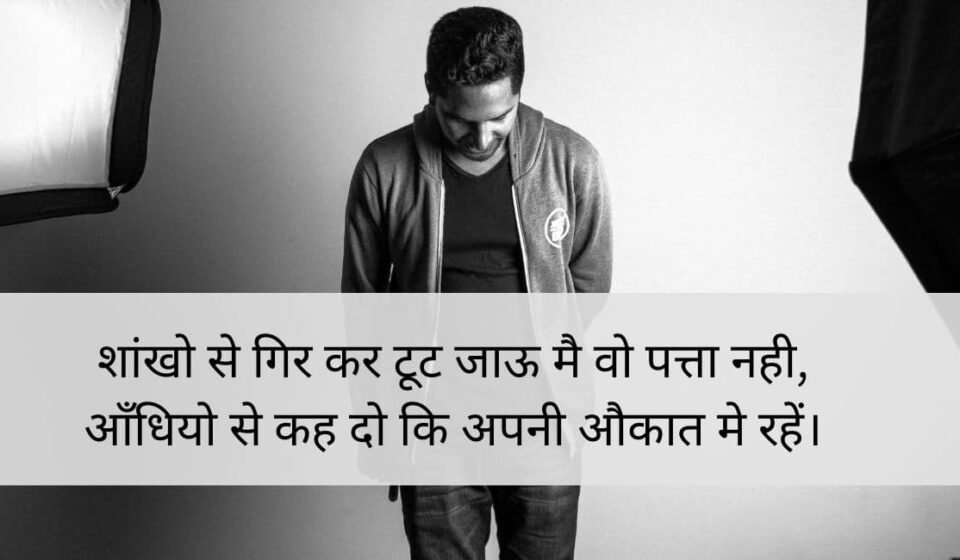

किसी को जलाने की एटीट्यूड शायरी represents a dynamic form of Hindi poetry that transforms raw emotions like heartbreak, defiance, or passion into powerful, rhythmic verses. Rooted in South Asian literary traditions, this style uses metaphorical “burning” imagery to convey intense feelings—whether it’s the fire of unrequited love, the blaze of self-respect, or the embers of resilience. Unlike conventional romantic shayari, it embraces boldness and vulnerability, making it a favorite among modern poets and social media enthusiasts. In today’s digital age, किसी को जलाने की एटीट्यूड शायरी thrives on platforms like Instagram and YouTube, where its relatable intensity sparks millions of shares. This article dives into its essence, techniques, and cultural impact, offering a roadmap for both readers and aspiring poets.
Understanding किसी को जलाने की एटीट्यूड शायरी
किसी को जलाने की एटीट्यूड शायरी blends classical Urdu-Hindi poetic structures with contemporary emotional expression. Historically, poets like Mirza Ghalib used fire metaphors to symbolize longing, but modern iterations focus on personal agency—turning pain into empowerment. The phrase “जलाने” (burning) here isn’t literal; it’s a metaphor for emotional intensity, whether scorching anger or passionate devotion. This style often features short, punchy couplets (sher) with rhythmic cadence, making it ideal for oral recitation or digital snippets. According to Wikipedia, Hindi poetry has evolved from devotional themes to individualistic narratives, with किसी को जलाने की एटीट्यूड शायरी epitomizing this shift toward raw, unfiltered expression. Its appeal lies in its universality: anyone who’s felt heartbreak or triumph can find solace in its verses.
Key Themes and Emotional Resonance
The magic of किसी को जलाने की एटीट्यूड शायरी lies in its thematic depth. Common motifs include:
- Heartbreak as Transformation: Verses framing pain as a catalyst for growth, e.g., “तेरी याद जलती है, मगर मेरी आँखें बुझ गईं” (Your memory burns, but my eyes have extinguished).
- Defiant Self-Love: Celebrating self-worth after betrayal, like “मैं आग हूँ, तू उसका शिखंडी” (I am the fire, you’re its ashes).
- Passionate Longing: Intense desire portrayed as an inextinguishable flame.
These themes resonate because they reject passive suffering, instead framing emotions as transformative forces. For deeper cultural context, Britannica notes how South Asian poetry often uses nature metaphors to explore human experiences, with fire symbolizing both destruction and renewal. This duality makes किसी को जलाने की एटीट्यूड शायरी uniquely cathartic.
Crafting Your Own Fiery Verses
Creating impactful किसी को जलाने की एटीट्यूड शायरी requires balancing emotion with technique. Follow these steps:
- Identify Your Core Emotion: Is it anger, longing, or empowerment? Anchor your poem in one dominant feeling.
- Use Fire Imagery Creatively: Replace clichés with fresh metaphors—e.g., “तेरा प्यार चिंगारी था, मेरी जुबान अब आग है” (Your love was a spark, my tongue is now fire).
- Master Rhythm and Rhyme: Hindi shayari relies on bahr (meter). Practice couplets with alternating stressed syllables for musicality.
- Keep It Concise: Modern audiences prefer brevity. Aim for 2-4 lines that pack an emotional punch.
Aspiring poets can refine their skills through workshops or online communities. For structured guidance, explore our resources on poetic techniques.
Why This Poetry Captivates Modern Audiences
किसी को जलाने की एटीट्यूड शायरी thrives in the digital era due to its shareability and emotional authenticity. Social media algorithms favor content that evokes strong reactions, and these verses—often paired with moody visuals or music—generate high engagement. A 2025 study by the Indian Institute of Mass Communication found that poetry posts with “fiery” themes receive 3x more shares than neutral content. Additionally, it democratizes poetry: anyone with a smartphone can become a poet, breaking elitist barriers. This accessibility has birthed viral sensations like poetess Rupi Kaur, whose work echoes the spirit of किसी को जलाने की एटीट्यूड शायरी.
The Cultural Legacy and Future
Beyond trends, किसी को जलाने की एटीट्यूड शायरी preserves a timeless truth: poetry as emotional alchemy. It transforms personal pain into collective healing, proving that words can indeed “burn” away silence. As AI tools like chatbots experiment with generative poetry, human-created shayari remains irreplaceable for its authenticity. Looking ahead, expect fusion styles—blending Hindi with English or regional dialects—to expand its reach. For now, its power lies in simplicity: a few lines that make readers feel seen. To stay updated on evolving poetic forms, visit here.
In conclusion, किसी को जलाने की एटीट्यूड शायरी is more than a genre—it’s a movement celebrating emotional courage. Whether you’re a reader seeking solace or a writer honing your craft, its fiery verses remind us that even in darkness, words can ignite light. Embrace the burn, and let your voice blaze.