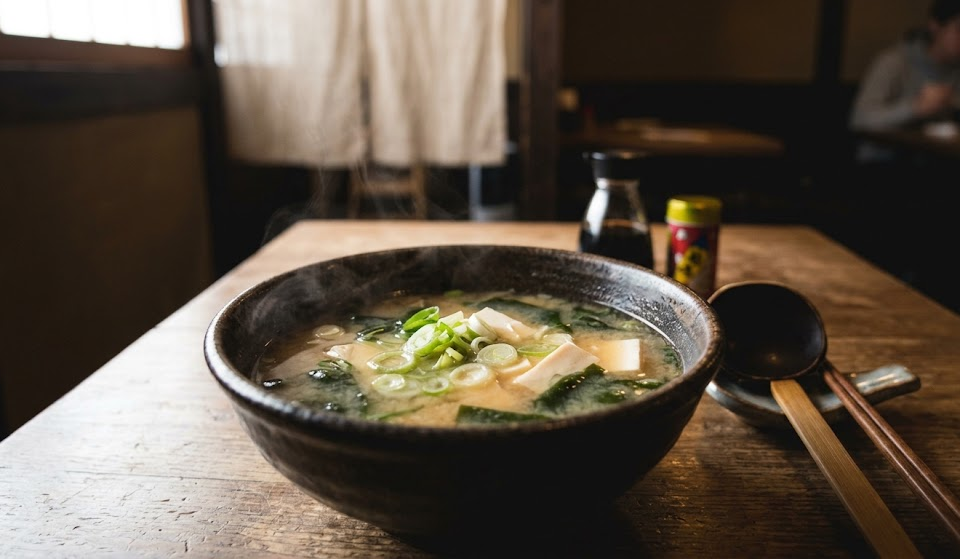

Few dishes offer immediate comfort quite like a hot bowl of traditional Japanese miso Soup Near Me. Whether you are battling a cold, looking for a light lunch, or starting a sushi feast, this savory broth always delivers. Finding a top-quality bowl requires knowing what makes a great broth and where to look.
Many local spots serve this classic dish, but quality can vary greatly between kitchens. Some places use instant powders, while authentic restaurants simmer real dashi broth daily. Knowing how to locate great local spots saves you time and guarantees a delicious meal every single time.
Table of Contents
+———————————————————————–+
| MISO SOUP AT A GLANCE |
+——————–+————————————————–+
| Attribute | Details |
+——————–+————————————————–+
| Dish Type | Traditional Japanese Soup |
| Core Base | Dashi Broth & Fermented Soybean Paste (Miso) |
| Common Mix-ins | Tofu, Green Onions, Wakame Seaweed |
| Health Benefits | Rich in Probiotics, Low Calorie, High Antioxidants|
| Diet Options | Vegan, Gluten-Free (with Tamari), Low-Fat |
| Standard Temp | Served Hot (Not Boiled) |
+——————–+————————————————–+
Why Japanese Miso Soup Is the Ultimate Comfort Food
Miso soup provides a rich, complex flavor known as umami. This savory taste comes from fermented soybean paste mixed into a delicate broth. It warms you up quickly and feels gentle on your stomach during any season.
Beyond great taste, this classic dish offers impressive health benefits. Because fermented miso contains beneficial probiotics, it supports healthy digestion. It remains a low-calorie choice that satisfies light hunger without feeling heavy.
How to Easily Locate the Best Miso Soup Near Me Today
Finding top-rated Japanese food nearby is simple when you use smart digital tools. Map apps on your smartphone show customer reviews, ratings, and real photos of menu items. Search engines quickly point you toward top-rated Asian restaurants in your neighborhood.
Look for places with high ratings and specific praise for their starter dishes. Reading recent customer reviews helps you spot restaurants that take extra pride in their daily broth preparations.
Finding Miso Soup Near Me Open Now for Quick Delivery
When a sudden craving hits, you need a restaurant that is open and ready to serve. Food delivery apps allow you to filter local spots by current operating hours. This saves you from driving to a closed store when searching for miso soup near me open now.
Late-night sushi bars and ramen shops often stay open much later than standard diners. Checking real-time delivery apps ensures your soup arrives hot, fresh, and perfectly packed for your meal.
Where to Buy Miso Soup Near Me for Simple Home Cooking
If you prefer eating at home, knowing where to buy miso soup near me offers budget-friendly choices. Local Asian grocery stores sell authentic miso pastes, seaweed, and fresh tofu for quick home preparation.
Standard supermarkets also carry convenient instant miso soup packets in their international aisles. These ready-made packets require only hot water, making them ideal for quick office lunches or busy weeknights.
Enjoying Safe Gluten-Free Miso Soup Near Me
Diners with wheat sensitivities must check ingredients carefully before ordering broth. Traditional miso paste often uses grains like barley or wheat during the fermentation process. Luckily, many modern restaurants now prepare completely gluten-free miso soup near me using pure soybean paste.
Always inform your server about dietary needs before placing an order. They can confirm if their dashi uses wheat-free ingredients or offer a safe gluten-free alternative.
Turn Up the Heat: Finding Spicy Miso Soup Near Me
If standard broth feels too mild, fiery variations offer an exciting twist. Chefs add chili oil, chili paste, or togaraishi pepper to create vibrant red broth. Searching for spicy miso soup near me introduces you to bold, heart-warming flavors.
Spicy versions often feature heavier ingredients like minced pork, chili threads, or extra garlic. It offers a cozy, comforting burn that chili lovers find completely irresistible.
Key Ingredients That Make Local Miso Soup Exceptional
A truly memorable soup relies on high-quality, fresh ingredients. The foundation starts with dashi, a savory stock made from kelp and dried bonito flakes. Fresh cubes of soft silken tofu add a delicate texture to every spoon.
Green onions and wakame seaweed complete the traditional bowl. When a kitchen uses fresh green onions and real soybean paste, the difference in flavor is undeniable.
Red Miso vs. White Miso: What Is the Real Difference?
Not all miso paste tastes the same. White miso ferments for a shorter time, resulting in a mild, sweet flavor profile. It creates a lighter soup that works perfectly as an appetizer before sushi.
Red miso ferments much longer, producing a deep, salty, and intense savory taste. Restaurants often use red miso for heartier noodle dishes or rich winter soups.
Health Benefits of Eating Daily Miso Soup
Eating fermented soy products supports your body in multiple natural ways. The live cultures in miso foster good gut bacteria, aiding smooth digestion. It also contains essential vitamins, minerals, and protective antioxidants.
Since it is mostly water and light protein, it keeps you hydrated without extra calories. Adding a small bowl to your routine provides a quick, healthy nutrient boost.
Pairing Your Hot Soup with Local Dishes
Miso soup pairs wonderfully with many favorite Japanese entrees. Enjoying a bowl alongside fresh sashimi or sushi rolls balances raw fish with warm comfort. It also cuts through the richness of fried tempura or chicken katsu.
Many local restaurants offer lunch specials that bundle soup, salad, and an entree together. This classic pairing delivers a balanced, satisfying meal every single time.
Conclusion
Finding a great bowl of soup close to home is simple once you know what to look for. Whether you want a fiery chili version, a safe gluten-free bowl, or a fast late-night delivery, local Japanese kitchens have you covered. Use map apps to read reviews, check ingredients, and enjoy the rich, warm comfort of fresh miso broth today.
Frequently Asked Questions
Is miso soup healthy to drink every day?
Yes, it is low in calories and packed with probiotics that aid digestion. However, keep an eye on sodium content if you monitor your salt intake closely.
Is traditional miso soup vegetarian?
Not always. Traditional broth uses dashi made from fish flakes (bonito). Ask your restaurant for a kombu (seaweed-only) dashi if you follow a vegan or vegetarian diet.
Can I get gluten-free miso soup at most sushi spots?
Many spots offer gluten-free choices, but you should always ask. Miso made with barley or soy sauce containing wheat must be avoided.
What is the green stuff floating in my bowl?
Those are chopped green onions (scallions) and rehydrated wakame seaweed, which add fresh flavor and nutrients to the broth.
Why shouldn’t you boil miso soup?
Boiling destroys the natural probiotics and ruins the delicate flavor profile. Miso paste should always be stirred into warm broth off the heat.
How long does fresh miso paste stay good in the fridge?
Because miso is a fermented food, a tightly sealed tub can safely last anywhere from several months up to a year in your refrigerator.