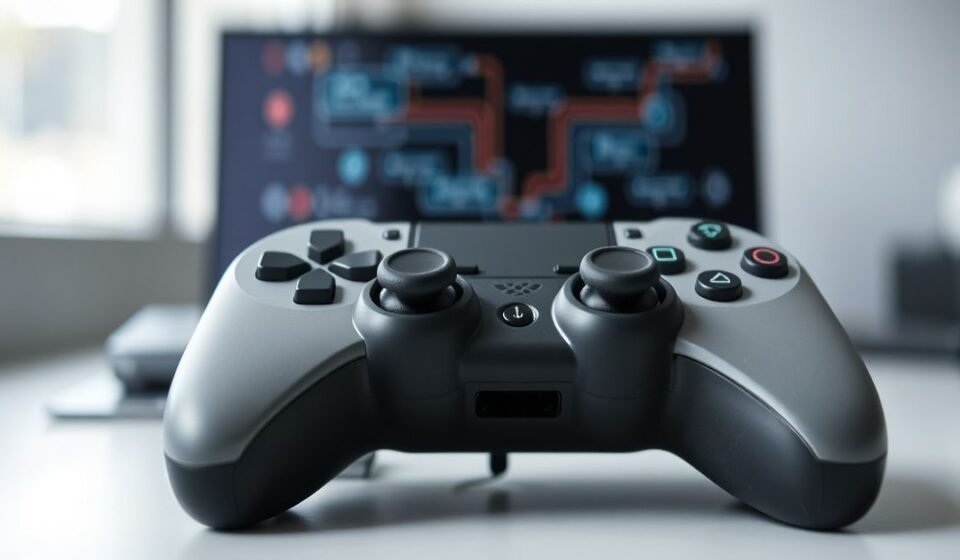

Wireless controllers like the HSSGamePad offer freedom of movement but often face frustrating connectivity issues hssgamepad users struggle with. These problems—ranging from intermittent disconnections to complete pairing failures—can ruin gaming sessions and cause significant frustration. Understanding the root causes and implementing effective solutions is crucial for maintaining a smooth, responsive gaming experience. This guide dives deep into diagnosing and resolving connectivity issues hssgamepad, providing actionable steps to get you back in the game quickly. Whether you’re dealing with Bluetooth dropouts, USB receiver problems, or software conflicts, we’ve got you covered.
Common Causes of Connectivity Issues HSSGamePad
Several factors can trigger connectivity issues hssgamepad. Wireless interference from other devices like Wi-Fi routers, microwaves, or even LED lights operating on the 2.4GHz band is a frequent culprit, disrupting the Bluetooth signal. Outdated or corrupted controller firmware can also prevent stable communication with your PC, console, or mobile device. Physical obstructions between the controller and the receiver, low battery levels causing power-saving mode activation, and incorrect driver installations on your host system further compound these problems. According to Wikipedia, wireless controllers inherently face more environmental challenges than wired alternatives. Additionally, software conflicts from background applications or competing Bluetooth stacks can block the HSSGamePad’s connection. Identifying which factor is affecting your setup is the essential first step toward a solution.
- Wireless Interference: Competing signals from household electronics
- Low Battery Power: Insufficient charge triggering disconnects
- Outdated Firmware: Unpatched bugs in the controller’s software
- Driver Conflicts: Incorrect or missing system drivers
- Physical Obstructions: Walls or objects blocking the signal path
Step-by-Step Troubleshooting Guide
Resolving connectivity issues hssgamepad requires a systematic approach. Start by ensuring your controller is fully charged—connect it via USB and check the LED indicators. Next, power cycle both the controller and your gaming device; turn them off completely, wait 30 seconds, then restart. For Bluetooth connections, delete the HSSGamePad from your device’s paired devices list and re-pair it from scratch. If using a USB receiver, try a different USB port, preferably one directly on your computer rather than a hub. Update your system’s Bluetooth drivers through Device Manager (Windows) or System Settings (macOS). Temporarily disable other wireless devices to rule out interference. For persistent issues, reset the controller to factory settings using the small pinhole button, usually located near the battery compartment.
- Charge & Power Cycle: Ensure full battery and restart all devices
- Re-pair the Controller: Remove old pairing and establish a fresh connection
- Check USB Ports: Test different ports, avoiding hubs
- Update Drivers: Install latest Bluetooth/system drivers
- Disable Interference Sources: Turn off competing wireless devices temporarily
Advanced Solutions for Persistent Problems
When basic troubleshooting fails, deeper intervention is needed. Update the HSSGamePad’s firmware using the manufacturer’s dedicated software—this often resolves obscure bugs causing connectivity issues hssgamepad. On Windows, navigate to “Bluetooth & other devices” settings, select the controller, and choose “Remove device” before re-pairing. For Steam users, disable Steam Input for the HSSGamePad as it can sometimes override native connectivity. If using a USB receiver, try it on another computer to isolate whether the issue lies with the controller or your primary device. Advanced users can adjust Bluetooth settings via the Windows Registry (e.g., modifying `HKEY_LOCAL_MACHINE\SYSTEM\CurrentControlSet\Services\BTHPORT\Parameters\Devices`) to prioritize the controller’s connection. Microsoft’s support resources offer detailed guidance for Bluetooth troubleshooting on Windows systems—visit their official support page for device-specific advice. Remember, complex software conflicts may require a full OS restart to clear temporary glitches.
Preventing Future Connectivity Issues HSSGamePad
Proactive measures significantly reduce recurrence of connectivity issues hssgamepad. Always keep the controller’s firmware updated through the manufacturer’s app—enable automatic updates if available. Maintain a clear line of sight between the controller and receiver, minimizing physical barriers. Store the USB receiver in a front-facing port when possible to avoid signal blockage from the computer chassis. Regularly clean the controller’s contact points and USB receiver with compressed air to prevent dust buildup. For multi-device environments, assign static Bluetooth channels or use 5GHz Wi-Fi to reduce 2.4GHz congestion. Develop a habit of fully charging the controller before extended gaming sessions and avoid using it near known interference sources like microwaves. Implementing these practices creates a more stable wireless ecosystem. For ongoing support and community tips, check out our website regularly.
Conclusion
Dealing with connectivity issues hssgamepad doesn’t have to mean constant frustration or expensive replacements. By methodically diagnosing the root cause—whether it’s interference, outdated software, or hardware conflicts—and applying the targeted solutions outlined here, you can restore reliable performance. Remember to prioritize firmware updates, manage your wireless environment, and follow the step-by-step troubleshooting sequence. Most issues are resolvable with patience and the right approach. For additional gaming hardware insights and expert advice, explore our resources to stay ahead of common tech challenges. Enjoy uninterrupted gaming with your HSSGamePad!