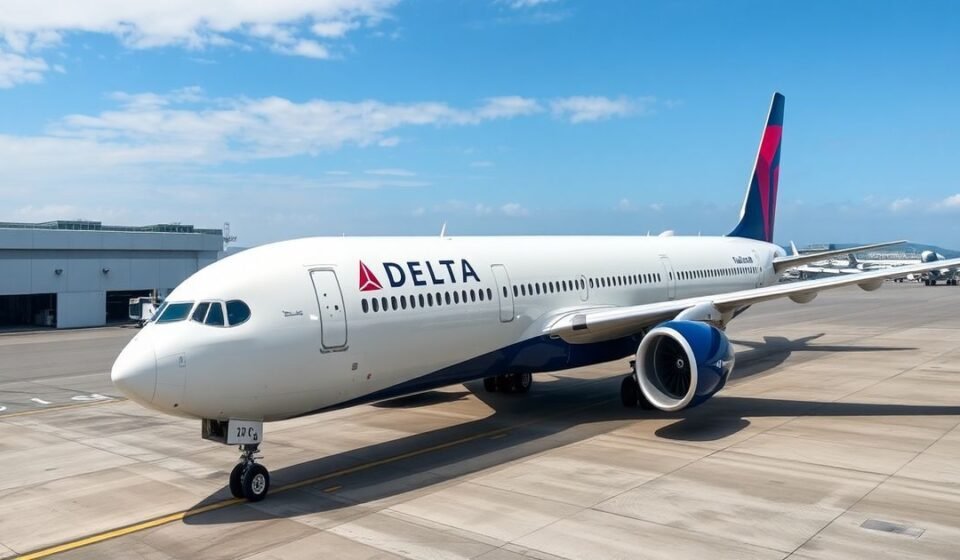

The vast expanse of the Pacific Ocean presents unique challenges for transcontinental flights, where the nearest suitable airport can be hundreds of miles away. This reality was starkly illustrated by the events surrounding delta flight dl275 japan diversion lax, a significant incident that underscores the critical importance of aviation safety protocols and crew training. On a routine journey from Tokyo Narita (NRT) to Los Angeles (LAX), Delta Air Lines Flight DL275 encountered an unexpected medical emergency mid-flight, forcing the pilots to make a critical decision: divert to the nearest major airport capable of handling the situation. This decision led the aircraft, a Boeing 777, to alter its course significantly, ultimately landing safely at LAX instead of continuing its planned route. The delta flight dl275 japan diversion lax event serves as a powerful case study in how airlines manage in-flight crises over remote oceanic routes, balancing passenger safety, operational logistics, and regulatory requirements. Understanding this incident provides valuable insights for travelers and aviation enthusiasts alike about the complexities of modern air travel safety.
The Incident: Delta Flight DL275’s Unexpected Diversion
Delta Flight DL275, operating on a scheduled service from Tokyo Narita International Airport (NRT) to Los Angeles International Airport (LAX) on a typical trans-Pacific route, encountered a serious medical emergency involving a passenger approximately six hours into the flight. While specific medical details are often protected for privacy, reports indicate the situation was severe enough to necessitate immediate medical attention that could not be adequately provided in the aircraft’s cabin environment. Faced with this critical scenario, the flight crew, adhering strictly to established emergency protocols, initiated the diversion process. The primary consideration was identifying the nearest suitable airport with the necessary medical facilities and runway capacity for a large aircraft like the Boeing 777. After evaluating options, including potential stops in Hawaii or other Pacific islands, the decision was made to divert to LAX. This choice was influenced by LAX’s status as a major international hub with extensive medical resources, customs and immigration facilities for international arrivals, and the capability to handle the large number of passengers and crew. The delta flight dl275 japan diversion lax maneuver required precise navigation, coordination with air traffic control across multiple oceanic sectors, and careful management of fuel reserves – a standard yet high-stakes procedure for long-haul flights operating under ETOPS (Extended-range Twin-engine Operations Performance Standards) regulations. The successful execution of this diversion highlighted the effectiveness of crew training and the robustness of modern aviation safety systems designed for precisely such over-water emergencies. According to Wikipedia, ETOPS regulations are fundamental for ensuring twin-engine aircraft can safely operate over remote areas like the Pacific.
Understanding Why Diversions Happen: Safety Above All
Flight diversions, while disruptive for passengers, are a fundamental and non-negotiable aspect of aviation safety. They occur when an unforeseen event necessitates landing at an airport other than the intended destination to ensure the safety of everyone on board. Medical emergencies, like the one aboard DL275, are among the most common reasons for diversions on long-haul flights, especially those traversing vast oceanic regions where diversion options are limited. Other critical triggers include:
- Mechanical Issues: Problems with engines, hydraulics, landing gear, or other critical systems that compromise flight safety or the ability to continue to the destination.
- Severe Weather: Encountering unexpected, dangerous weather systems like severe turbulence, thunderstorms, or volcanic ash clouds that make continuing the planned route hazardous.
- Security Threats: Situations involving potential threats to the aircraft or its occupants, requiring immediate landing for assessment and resolution.
- Fuel Considerations: While rare with modern planning, situations where fuel reserves become critically low due to unexpected headwinds or holding patterns might necessitate a diversion to the nearest suitable airport.
The decision to divert is never taken lightly. It involves a complex risk assessment by the flight crew, often in consultation with the airline’s operational control center on the ground. Factors weighed include the nature and severity of the emergency, the distance to potential diversion airports, weather conditions at those airports, runway length, available medical or emergency services, and the overall condition of the aircraft. The primary and overriding factor, however, is always the safety of passengers and crew. The delta flight dl275 japan diversion lax incident perfectly exemplifies this principle in action – the medical emergency created a situation where continuing to LAX was deemed less safe than landing immediately at the nearest major facility, which happened to be the original destination but reached via a different route. This prioritization of safety, even at the cost of significant inconvenience, is the bedrock of commercial aviation’s remarkable safety record. For more insights into how airlines manage these complex decisions, explore our resources on aviation operations.
Passenger Experience and Airline Response During Diversions
For passengers on board a diverted flight like DL275, the experience can be highly stressful and disruptive. The sudden announcement of a diversion, often accompanied by uncertainty about the reason, the new destination, and the timeline, can cause significant anxiety. Communication from the flight crew is paramount in these situations. Effective airlines provide clear, calm, and regular updates explaining the situation (to the extent possible without compromising privacy or security), the reason for the diversion, the expected landing time, and what passengers can anticipate next. On DL275, reports suggest the crew handled the situation professionally, keeping passengers informed throughout the extended flight to LAX.
Once landed, the airline’s ground response becomes critical. This involves:
- Immediate Medical Attention: Ensuring the affected passenger receives urgent care upon arrival.
- Passenger Care: Providing food, water, and rest areas for all passengers during the unexpected stop. Arranging accommodation if the delay is prolonged.
- Re-accommodation: Working to get passengers to their final destination as quickly as possible, which might involve rebooking on the next available flight, arranging alternative transportation, or providing hotel vouchers for overnight stays.
- Customs and Immigration: For international diversions like DL275 landing at LAX, efficiently processing passengers through customs and immigration is essential to minimize further delays.
- Aircraft Servicing: Addressing the original issue (medical, mechanical, etc.) and ensuring the aircraft is airworthy before continuing its journey.
Delta’s handling of the delta flight dl275 japan diversion lax event, particularly the coordination required to manage the large number of passengers arriving unexpectedly at LAX, demonstrated the logistical complexity involved. The focus shifts entirely to passenger welfare and operational recovery once the immediate safety threat is mitigated. Passengers often appreciate transparency and empathy from the airline staff during these challenging times, which can significantly impact their overall perception of the incident despite the inherent disruption. Understanding these procedures can help travelers manage expectations if they ever find themselves in a similar situation.
The Aftermath and Lasting Impact on Aviation Safety
The successful resolution of the delta flight dl275 japan diversion lax incident, with no further harm to passengers or crew, is a testament to the effectiveness of modern aviation safety protocols. However, every such event undergoes thorough investigation by the airline and relevant aviation authorities, such as the National Transportation Safety Board (NTSB) in the United States or the Japan Transport Safety Board (JTSB), depending on the location and nature of the incident. These investigations aim not to assign blame, but to identify any potential systemic issues, procedural gaps, or areas for improvement in training, equipment, or regulations.
Key outcomes from such investigations often include:
- Refined Training Protocols: Enhancing crew training for specific emergency scenarios, particularly medical emergencies over remote oceanic routes.
- Medical Kit Reviews: Assessing the adequacy of onboard medical supplies and equipment for handling diverse emergencies.
- Communication Improvements: Streamlining communication channels between flight crews, airline operations centers, and air traffic control during diversions.
- Regulatory Updates: Potentially influencing updates to ETOPS regulations or diversion planning requirements based on lessons learned.
While the DL275 diversion itself was managed effectively, it serves as a recurring reminder of the inherent challenges of long-haul oceanic flight. It reinforces the critical importance of comprehensive crew training, robust emergency procedures, and the constant vigilance required to maintain safety in an environment where help is far away. The incident contributes to the collective knowledge base of the aviation industry, helping to make future flights even safer. It underscores that diversions, though inconvenient, are a vital safety net, and the systems designed to manage them are continually evolving based on real-world experience. For authoritative details on aviation safety standards, refer to the Federal Aviation Administration.
Conclusion: Lessons Learned from the Pacific Diversion
The story of delta flight dl275 japan diversion lax is far more than just a travel disruption; it’s a compelling narrative about the intricate dance of safety, technology, and human decision-making that defines modern aviation. This incident highlights how airlines and flight crews are rigorously trained to handle the unpredictable, especially when flying over the immense and remote Pacific Ocean. The successful diversion to LAX, driven by a medical emergency, demonstrates the effectiveness of established protocols and the unwavering commitment to passenger and crew safety that is the industry’s top priority. While diversions cause significant inconvenience, they are a necessary and crucial safety mechanism. The lessons learned from events like DL275 contribute to ongoing improvements in training, medical preparedness, and operational procedures, ultimately making the skies safer for everyone. For travelers, understanding that such protocols exist and are executed professionally can provide reassurance. The next time you board a long-haul flight, remember the complex safety net beneath you, constantly refined by experiences like the delta flight dl275 japan diversion lax. Stay informed about aviation safety and travel tips by learning more on our site. Safe travels!