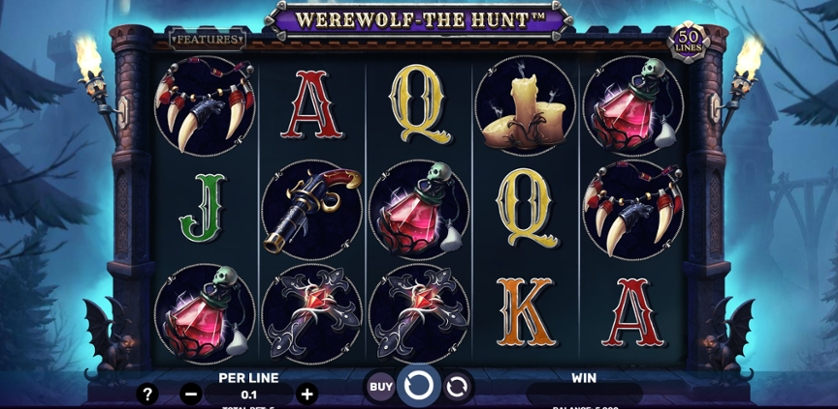

Werewolves have fascinated people for centuries. These mysterious creatures, known for their ability to transform from human to wolf, have become one of the most popular figures in mythology, folklore, literature, and modern entertainment. The Rise of Werewolves as cultural icons reflects humanity’s fascination with the wild, the supernatural, and the hidden darkness within ourselves. From ancient legends to blockbuster movies, werewolves continue to capture the imagination of audiences around the world.
Origins of Werewolf Legends
The story of the werewolf dates back thousands of years. Ancient civilizations often told tales of humans who could transform into animals. In many cultures, wolves were seen as powerful and dangerous creatures, making them natural subjects for myths and legends.
One of the earliest werewolf stories comes from ancient Greece. The legend of King Lycaon tells of a ruler who was transformed into a wolf as punishment from the gods. Similar stories appeared across Europe, where people believed that curses, magic, or supernatural forces could turn humans into wolves. These early myths laid the foundation for the werewolf legends that would spread throughout the world.
Werewolves in Medieval Folklore
During the Middle Ages, belief in werewolves became widespread across Europe. Villagers often blamed unexplained attacks, disappearances, or strange behavior on werewolves. Fear of these creatures was so strong that some people were accused of being werewolves and faced trials similar to witch hunts.
Medieval folklore described werewolves as individuals who transformed during a full moon and lost control of their actions. They were often portrayed as dangerous predators who hunted both animals and humans. These stories reflected the fears and uncertainties of the time, especially in rural communities where wolves posed a real threat.
Common Characteristics of Werewolves
Over time, certain traits became associated with werewolves. These characteristics remain popular in modern stories and films.
Common Werewolf Traits
- Ability to transform between human and wolf forms
- Increased strength and speed
- Enhanced senses such as hearing and smell
- Connection to the full moon
- Rapid healing abilities
- Loss of control during transformation
- Vulnerability to silver weapons
- Strong survival instincts
These traits help create the image of the werewolf as both a powerful beast and a tragic figure struggling between human and animal nature.
Werewolves in Literature
The rise of werewolves in literature played a significant role in their popularity. During the nineteenth century, writers began using werewolves as symbols of inner conflict, hidden desires, and the struggle between civilization and savagery.
Classic horror stories often portrayed werewolves as tragic characters who could not control their transformations. This emotional complexity made them more than simple monsters. Readers became interested in the psychological aspects of lycanthropy, the condition associated with becoming a werewolf.
As literature evolved, werewolves appeared in novels, short stories, and fantasy series. Authors explored themes of identity, transformation, and acceptance through werewolf characters, making them relatable to audiences.
The Influence of Hollywood
Hollywood played a major role in the rise of werewolves as global icons. Early horror films introduced audiences to terrifying transformations and dramatic werewolf stories. Advances in special effects made these transformations more realistic and memorable.
Movies such as classic monster films established many of the werewolf traditions recognized today. The image of a person transforming under a full moon became a defining element of popular culture. Modern films expanded these ideas by adding action, romance, and fantasy elements.
The success of werewolf movies helped introduce the creature to new generations and ensured its place in entertainment history.
Werewolves in Television and Streaming Media
Television series and streaming platforms have contributed significantly to the popularity of werewolves. Modern shows often portray them as complex characters rather than simple monsters.
Many series focus on werewolf communities, family relationships, and supernatural conflicts. These stories explore themes such as belonging, loyalty, and personal identity. By combining fantasy with emotional storytelling, television has helped broaden the appeal of werewolf mythology.
Streaming services have also allowed creators to experiment with new interpretations of werewolves, attracting diverse audiences around the world.
The Symbolism of Werewolves
One reason for the lasting popularity of werewolves is their symbolic meaning. Werewolves often represent the dual nature of humanity. They embody the conflict between reason and instinct, civilization and wilderness, control and freedom.
Many people connect with these themes because they reflect real-life struggles. The transformation into a werewolf can symbolize personal change, hidden emotions, or the desire to break free from societal expectations.
This deeper symbolism allows werewolf stories to remain relevant across different cultures and time periods.
Werewolves in Modern Pop Culture
Today, werewolves appear in many forms of entertainment beyond books and films. They are featured in video games, comic books, role-playing games, and online communities. Their popularity continues to grow as creators develop new and imaginative interpretations.
Modern audiences enjoy seeing werewolves portrayed as heroes, antiheroes, or even romantic figures. This variety has expanded their appeal and helped them remain an important part of contemporary pop culture.
Popular Areas Where Werewolves Appear
- Movies and cinema
- Television series
- Video games
- Graphic novels and comics
- Fantasy literature
- Tabletop role-playing games
- Online storytelling communities
- Digital art and fan creations
These platforms ensure that werewolf mythology continues to evolve and reach new audiences.
Why Werewolves Remain Popular
The enduring appeal of werewolves comes from their combination of mystery, power, and humanity. Unlike many monsters, werewolves are often portrayed as ordinary people struggling with extraordinary circumstances. This human connection makes their stories emotionally engaging.
Audiences are drawn to the excitement of transformation, the danger of the unknown, and the exploration of inner conflict. Werewolves also adapt easily to different genres, including horror, fantasy, romance, and action, making them versatile characters for storytellers.
As society changes, new interpretations of werewolves continue to emerge, keeping the legend fresh and relevant.
Conclusion
The rise of werewolves from ancient folklore to modern entertainment demonstrates the enduring power of myth and imagination. These fascinating creatures have evolved from feared monsters into complex cultural symbols that explore human nature, transformation, and identity. Through literature, film, television, and digital media, werewolves continue to captivate audiences worldwide. Their ability to adapt to changing times ensures that the legend of the werewolf will remain an important part of storytelling for generations to come.